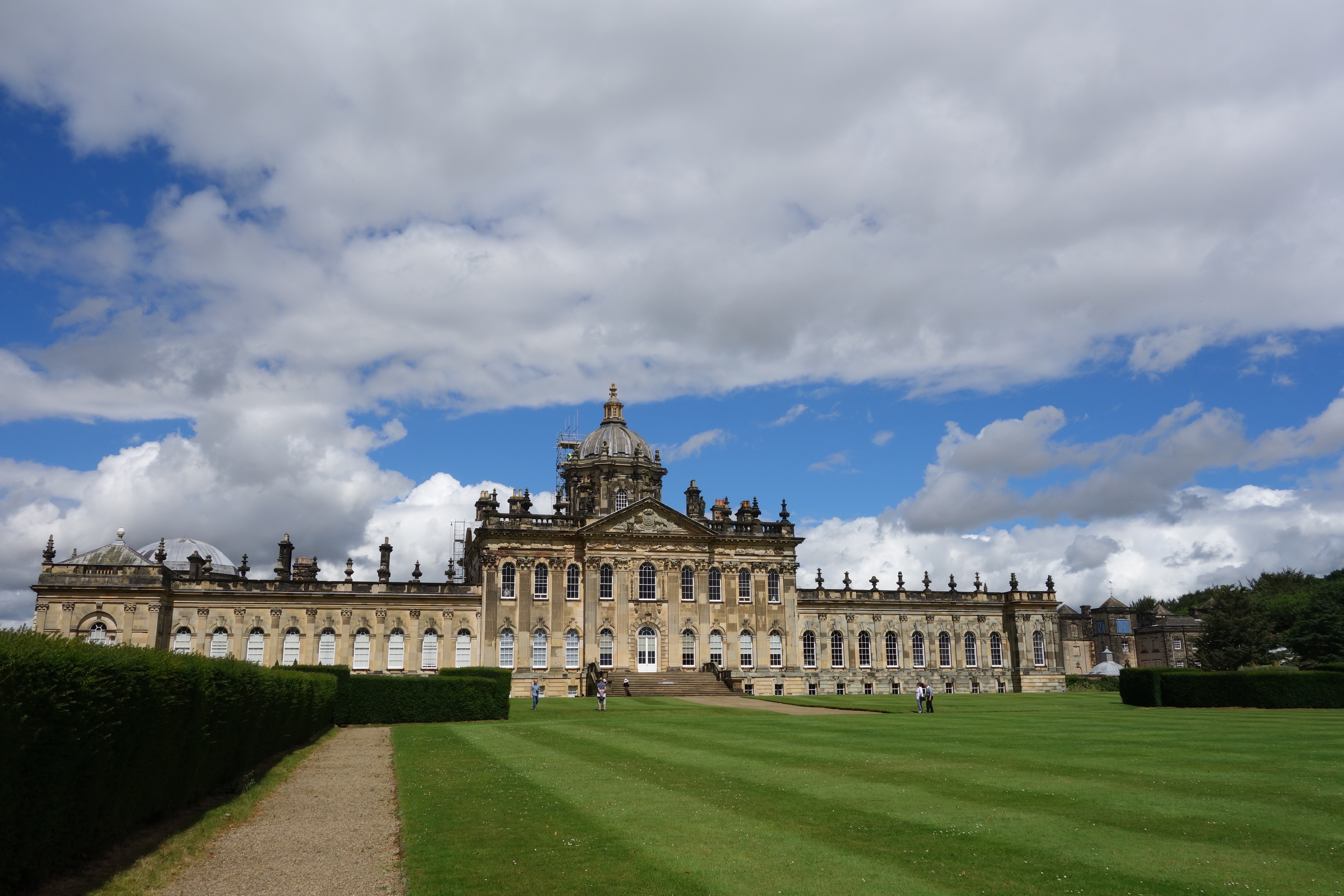
Castle Howard took over 100 years to build.
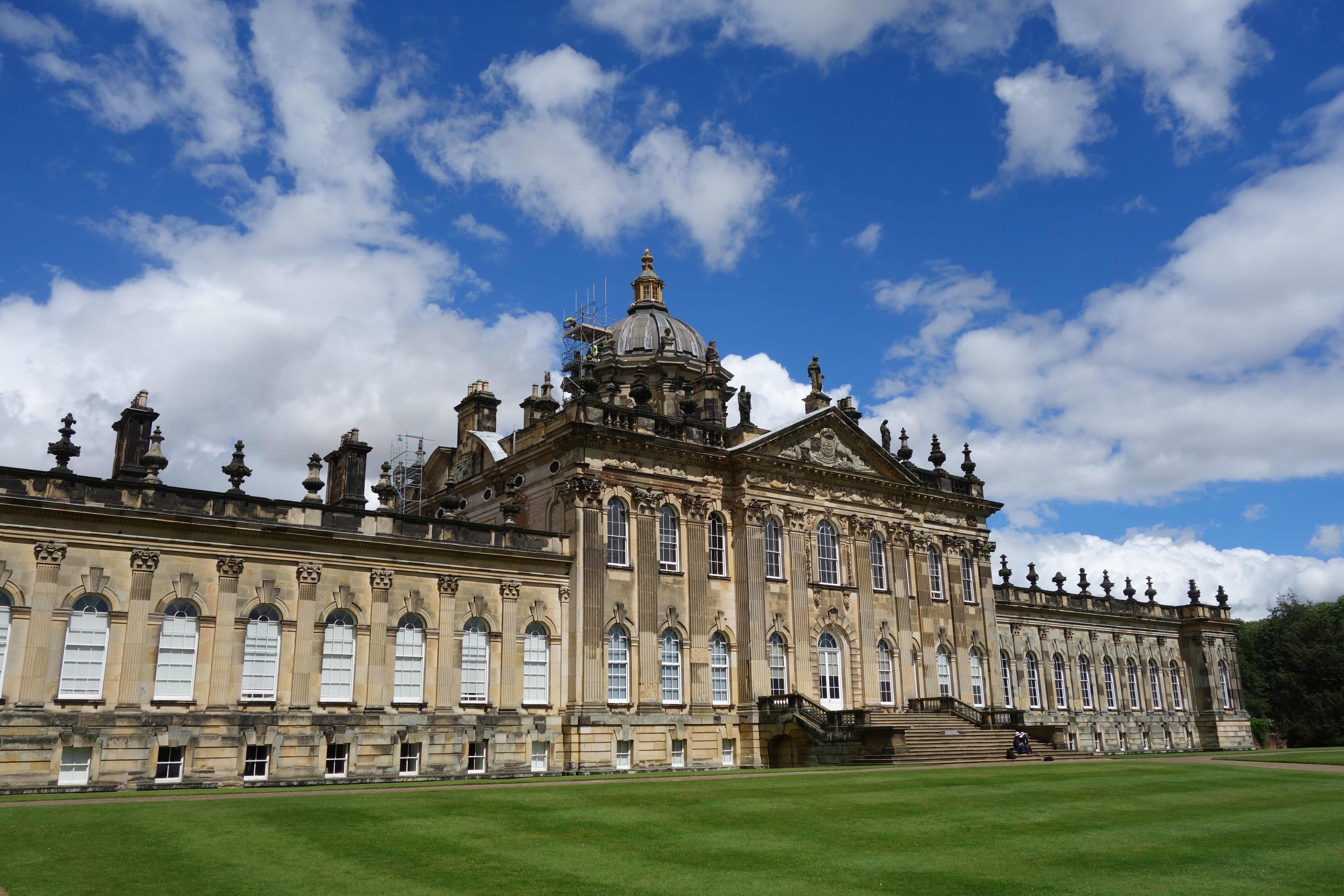
It is the private home of the Howard family. Continue reading Castle Howard
Castle Howard took over 100 years to build.
It is the private home of the Howard family. Continue reading Castle Howard

This was news to me: it takes less than two hours to get to York from London King’s Cross.

So it’s the perfect place for a mid-week break.

I often struggle with picking a ‘favourite’.

But I think Tunbridge Wells might be my favourite part of Kent.
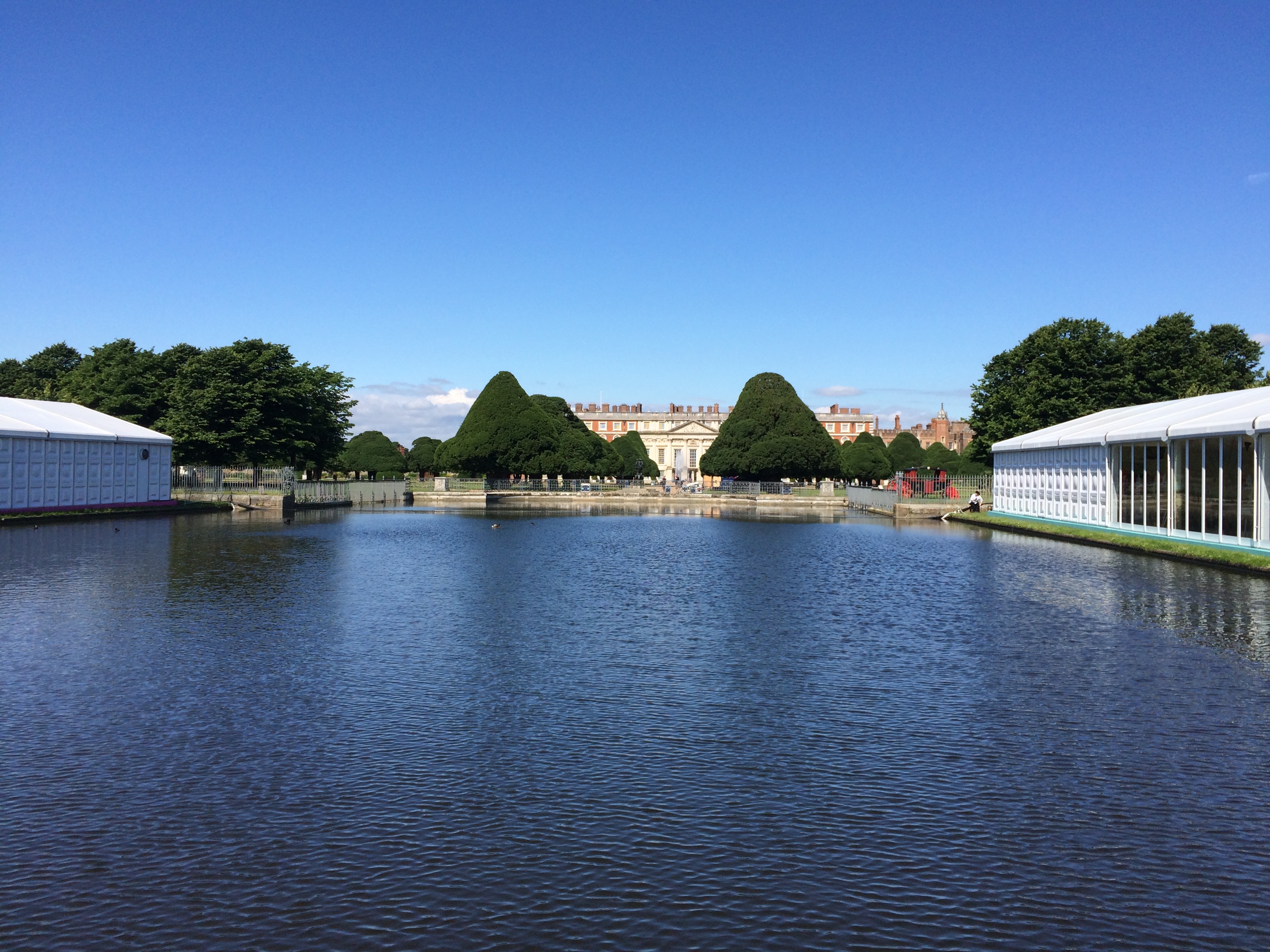
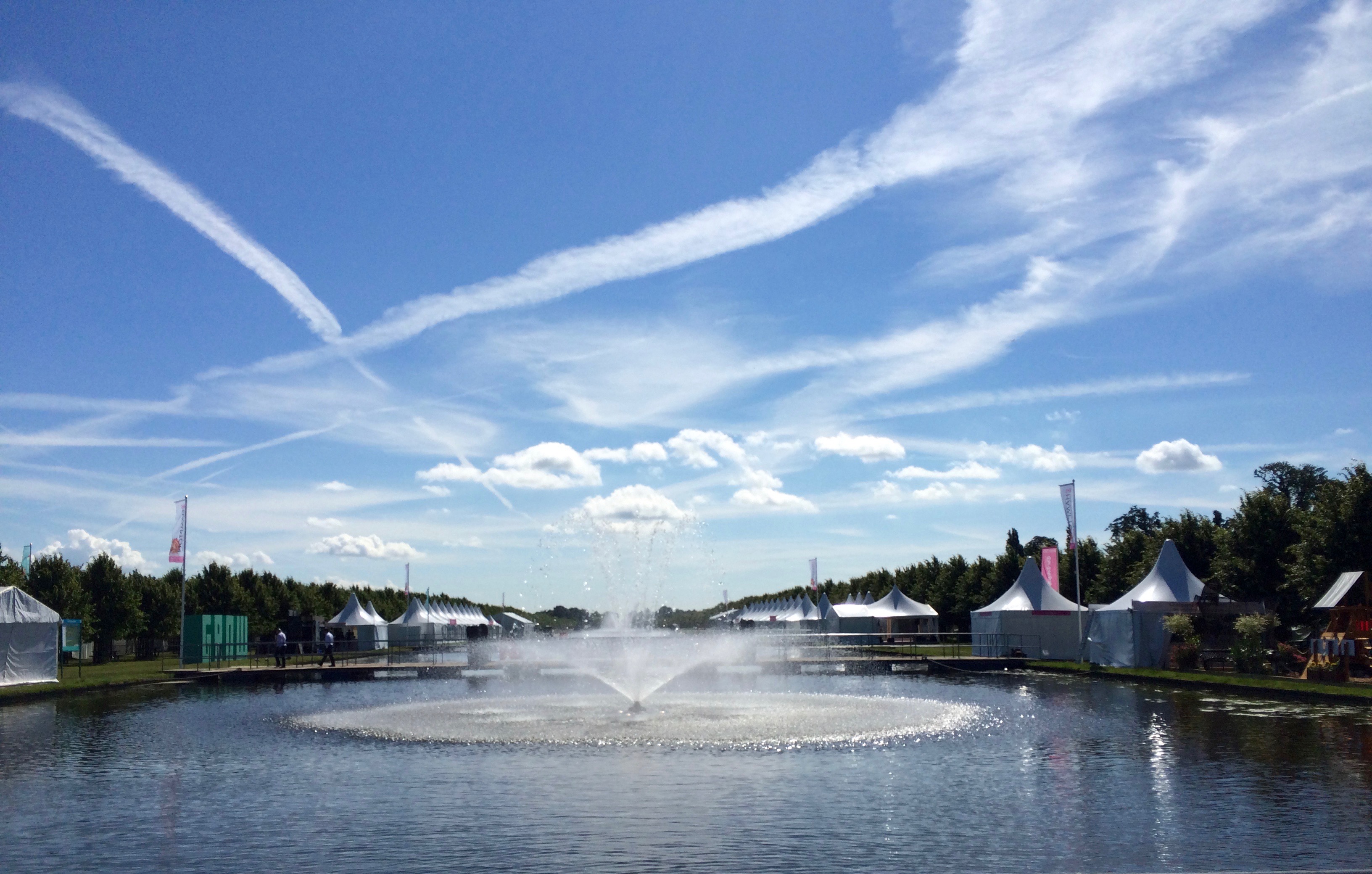
My day stomping around RHS Hampton Court Flower Show press day has kindled new horticulture goals.
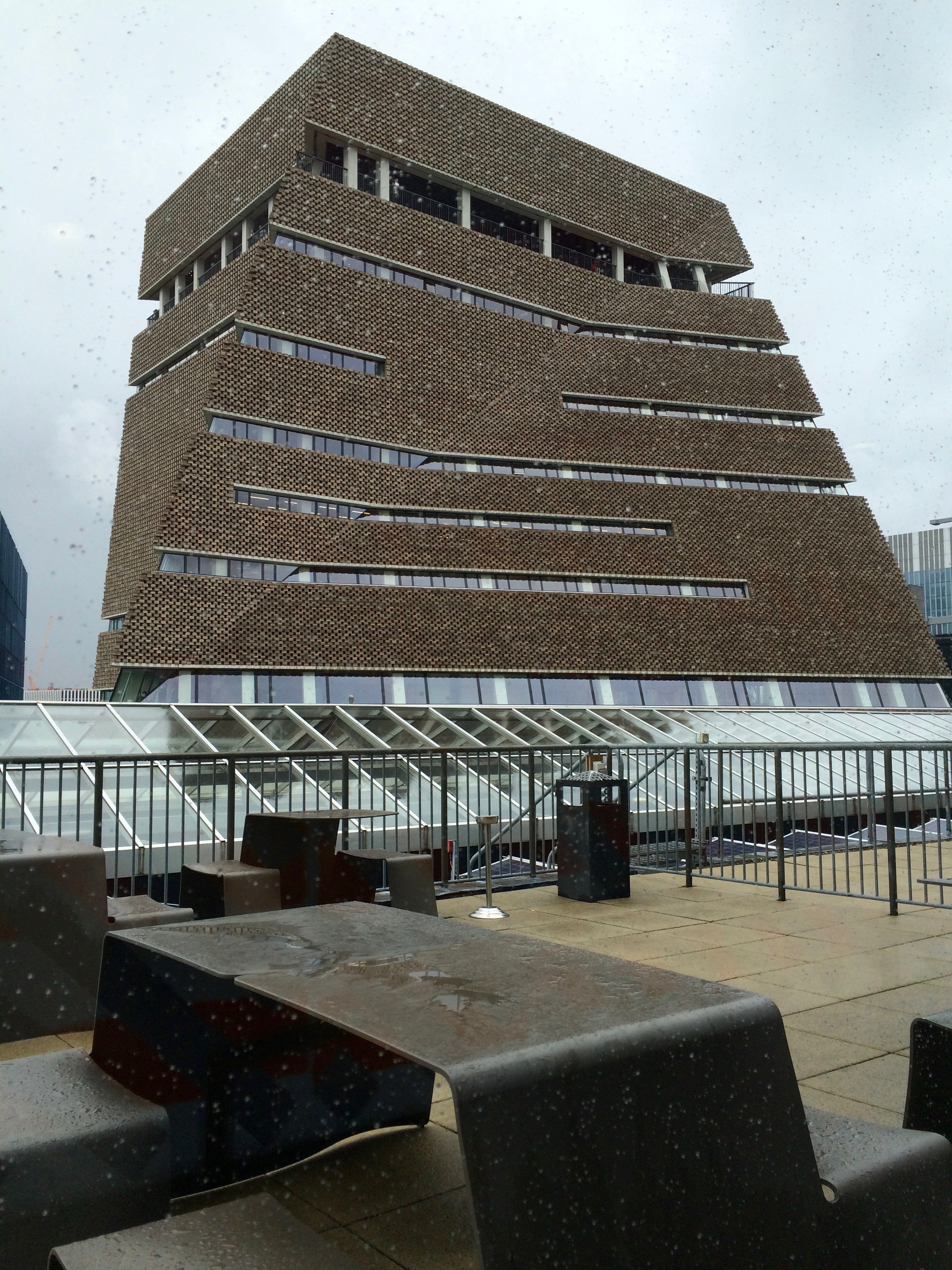
The Tate Modern opened their doors to the press this morning to introduce their new, massive extension.

‘Switch House’, designed by Herzog & de Meuron, is a 10 storey 200 foot structure located at the back of the Tate Modern.
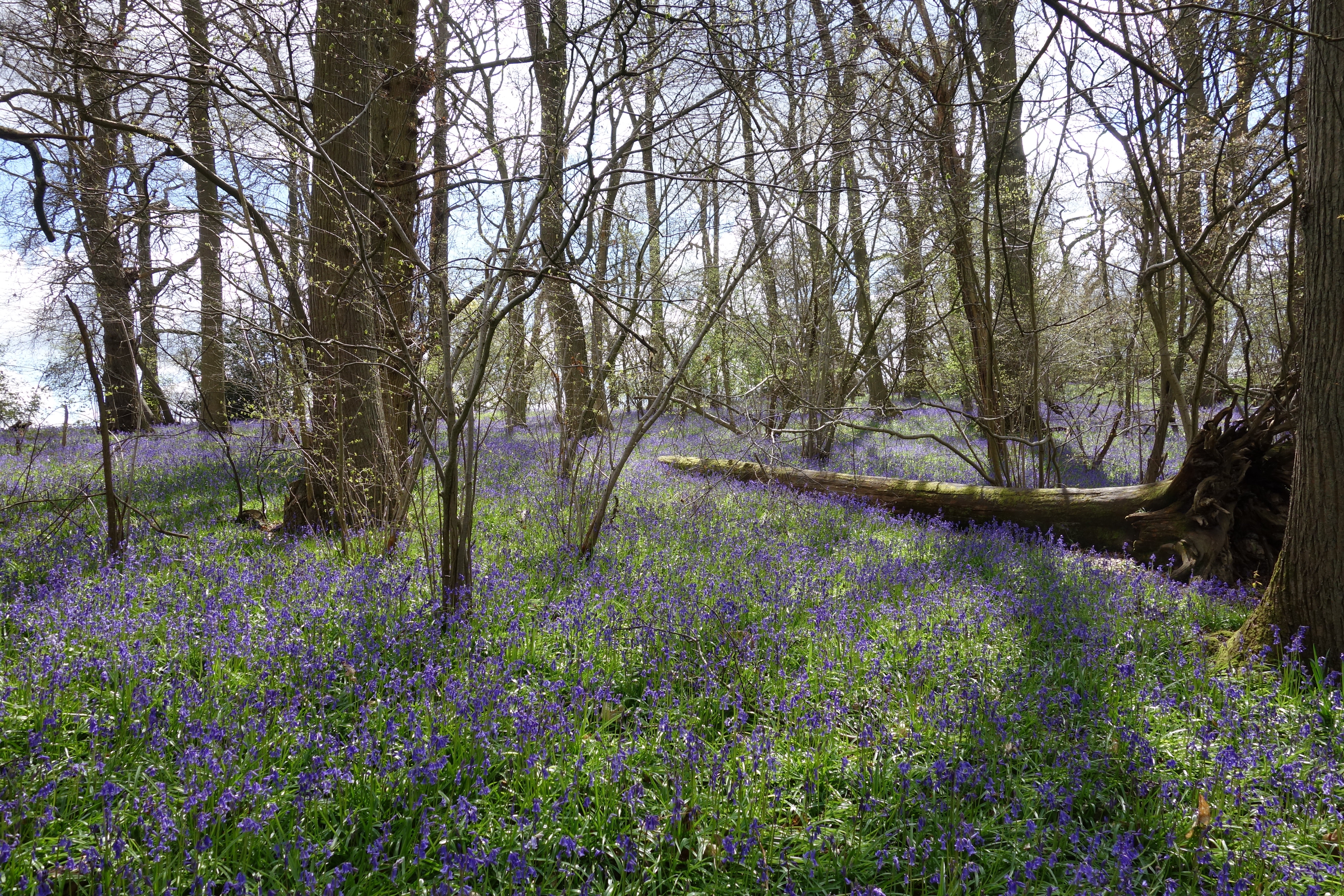
Imagine the sound of a bluebell wood.

If the bluebells were bells.


A few weeks ago I went to Oxford (again!) for the day to see the Oxford Literary Festival in full swing.

‘Painting is with me but another word for feeling’.
So John Constable told Archdeacon John Fisher in a letter in October 1821. If you visit the latest exhibition at The Lightbox in Woking, you will be able to see Constable’s innermost clandestine feelings expressed on the walls of the gallery.
Constable was one of the first artists of the Romantic Movement to view landscapes for their own beauty, rather than as a backdrop for a historical scene. He created his art directly from nature rather than from his imagination and he resisted the fashion of the day to piece together elements taken from nature to form a classical landscape.